
Goiania - Go -
Officially inaugurated in 1937, Goiânia is the planned capital of the state of Goiás, replacing the historic colonial town of Goiás (Goiás Velho). Designed to be the embodiment of Brazilian progress and the "Order and Progress" positivism of the early 20th century, the city is a living museum of the Artes Decò movement—the largest collection of Decò architecture outside of Miami Beach. The city was the brainchild of then-Interventor (Governor) Pedro Ludovico Teixeira. His vision was radical for the time: a capital built not on a river or a coast, but on the empty cerrado (savanna) between the Meia Ponte and Capim Puba rivers. He hired urbanist Attilio Corrêa Lima, a student of French architect Le Corbusier, to design a city that followed the hygienist and functionalist principles of the era.
However, the city carries a heavy historical burden. In 1987, Goiânia suffered one of the world’s worst radiological accidents. Scavengers broke into an abandoned radiotherapy clinic and removed a cesium-137 capsule, mistaking the glowing blue powder for something magical. They sold it to neighbors, and the resulting contamination killed several people, displaced thousands, and left a psychological scar that still defines the city’s relationship with waste and health. Goiania - GO
Tucked away in the sun-scorched plains of the Brazilian Central Plateau, Goiânia is a study in contrasts. It is simultaneously Brazil’s best-kept secret and its most deliberate architectural statement. Unlike the coastal metropolises of Rio de Janeiro or Salvador, which grew organically from chaotic colonial roots, Goiânia was born from a blueprint. Officially inaugurated in 1937, Goiânia is the planned
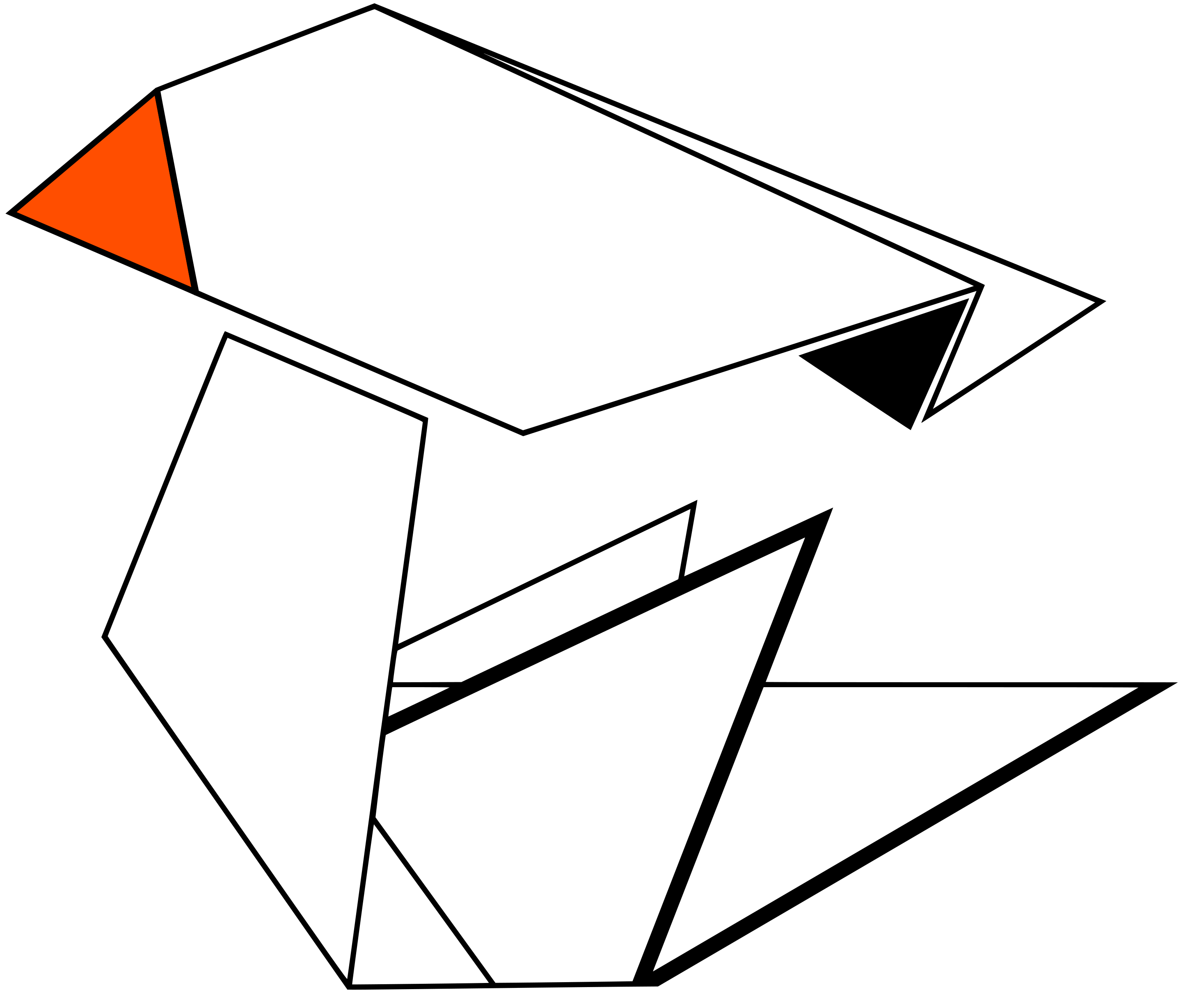
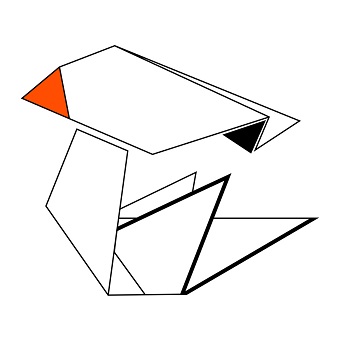
The original plan—known as the Plano Original —revolved around a central civic axis. The city was shaped like a concentric bird (or a bow), with the Praça Cívica (Civic Square) as the head, the Palácio das Esmeraldas (the state government headquarters) as the beak, and the train station at the tail. Wide, tree-lined avenues radiated outwards to residential neighborhoods divided into setores (sectors) by income level and function—a concept that, while progressive, seeded the city's later socioeconomic divisions. Walking through the Setor Central is like stepping into a 1940s futurist painting. The city’s buildings are characterized by rounded corners, "M" and "V" shaped columns, porthole windows, and nautical railings (a tribute to the ocean the original planners missed). His vision was radical for the time: a







La version pc est moins intéressante ou c’est moi qui pense cela
C’est pas possible je reçois aucune notification déjà fini 🙁
Bonjour !
Une alerte envoyée vers 15h20 aujourd’hui.
Si vous ne recevez pas les notifications, pensez à vérifier les paramètres dans votre téléphone. Encore une fois le système marche parfaitement et est testé en permanence 24h sur 24 et 7 j sur 7. Et 99,9 % du temps, si souci de notifications il y a, cela vient du smartphone en question, une installation d’une appli ou d’un paramètre tiers, une mise à jour système qui a désactivé par défaut les autorisations notifications etc…Bref, les raisons sont multiples. Si vous avez besoin d’aide pour configurer votre smartphone / régler un paramètre : [email protected]